
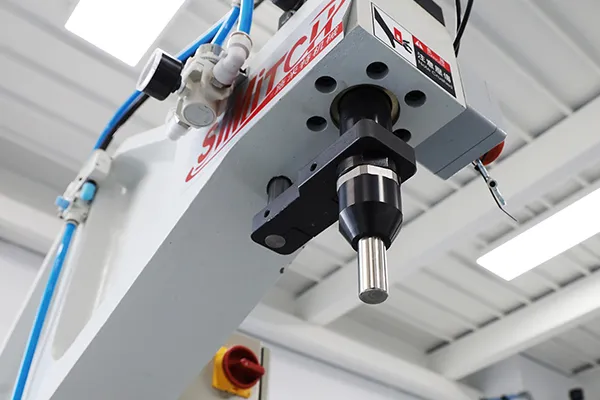
Clinching is a mechanical joining process that utilizes the plastic deformation of the sheet metal itself. By embedding the upper and lower layers into each other, a mechanical interlock (as shown in the cross-section below) is formed without the need for additional fasteners.
Compared to traditional joining technologies, clinching offers significant advantages including lower equipment costs and higher energy efficiency. The process eliminates the generation of chemical pollutants, ensuring an environmentally friendly operation that is easily integrated into automated production lines. Furthermore, clinching maintains low sensitivity to sheet surface quality, making it ideal for joining materials with coatings or protective layers. As a result, it has become one of the most critical technologies for the assembly of lightweight sheet metal components.
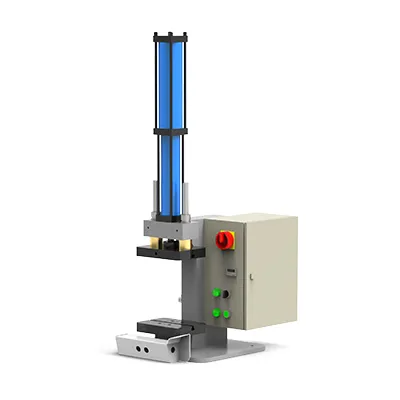
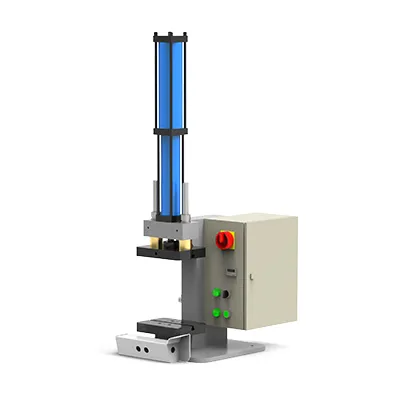
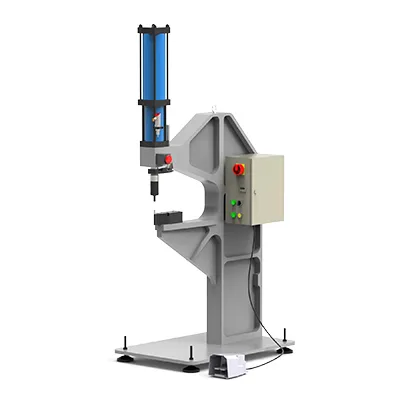
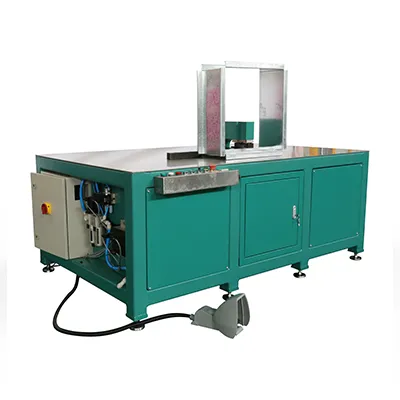
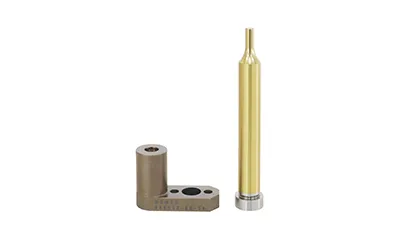
Round Clinching
Round joint typically formed through the compression of a standard or rotating punch.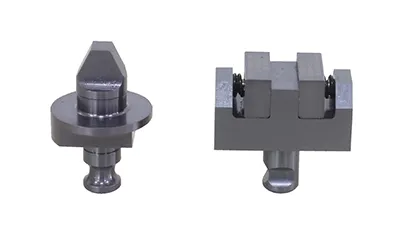
Square Clinching
Square or rectangular joint formed using a square punch or through intermittent control of a rotating punch.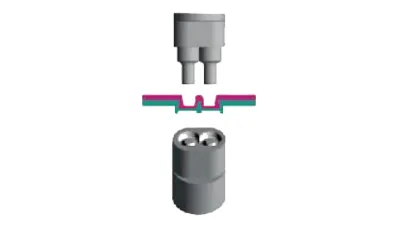
Twin-point Clinching
Two joining points formed in a single stroke. Compared to a single round joint, shear strength can be up to twice as high, and tensile strength can increase by over 1.5 times.
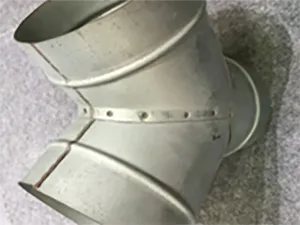
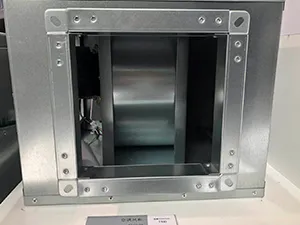
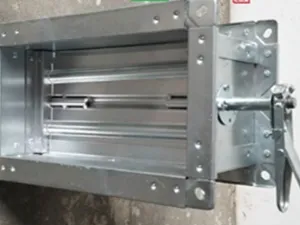
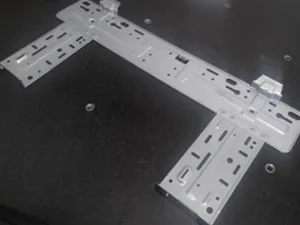
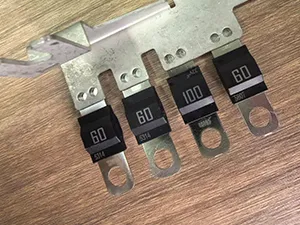
Precision-Clinched Products & Components
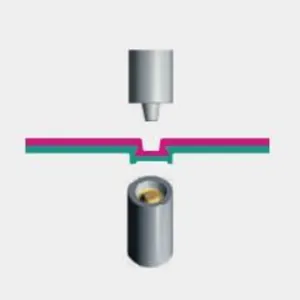 Micro-Point Clinching
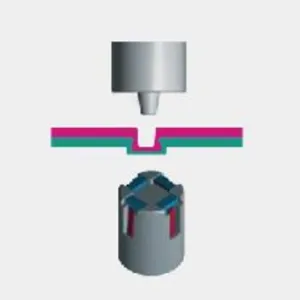 Round Clinching (Clinching Die With Fixed And Movable Segments)
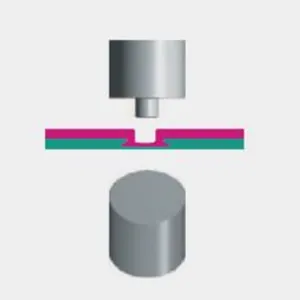 Flat Clinching (Clinching Die With Fixed And Movable Segments)
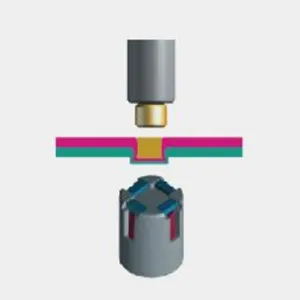 Solid Round Rivet Clinching
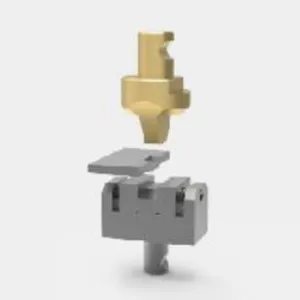 Rectangular Clinching with Cutting
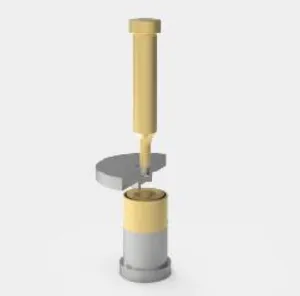 Specialized Die Clinching (with 3 Movable Segments)